
When I started my career in consumer packaged goods, I didn’t necessarily focus on the fact that we were b2b2c marketers. Maybe this was because of the way that we went to market, that the brand marketer most often thought about the end user and there was a separate team of folks who focused on the retailer/distributor/partner. But it turns out, it’s a pretty classic b2b2c situation.
What’s interesting to me is that the more I thought about B2B2C, the more it felt like everything was B2B2C. After all, every product sold to a consumer is made up of parts and services from lots of B’s who sell to a C. So where do we draw the line?
There’s a pretty wide range of what the world considers B2B2C but what I’ve come to think makes the most sense is focusing on brand visibility and customer awareness. The real difference in a B2B2C model is the complex partnership that marketing jointly to an end user requires.
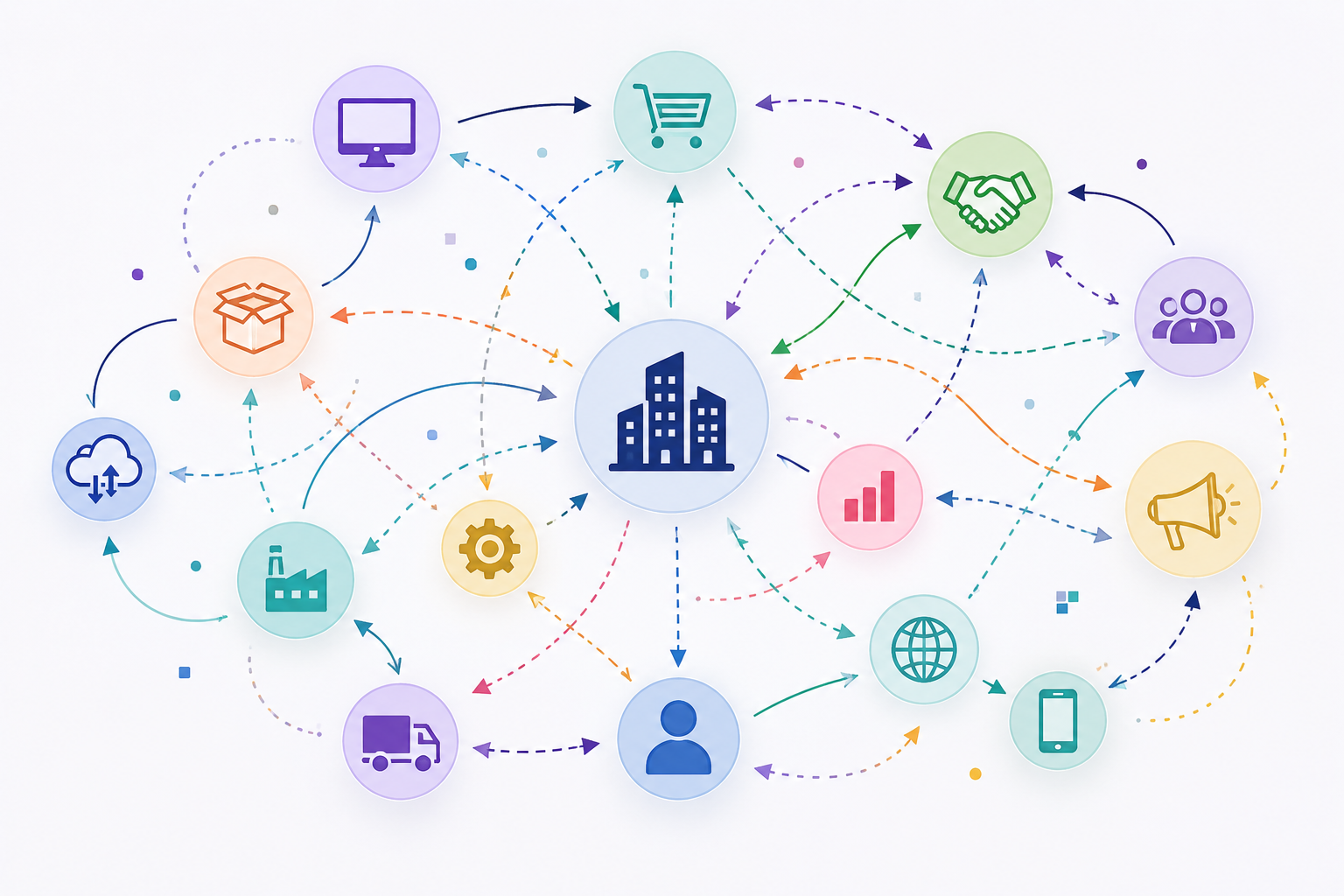
This partnership exists on a spectrum. On one end, you have pure B2B, companies like SAP or Salesforce, where the end user might never even know the brand behind the tools they’re using. On the other end are true B2B2C partnerships like Uber Eats and the restaurants who use their services, or Visa and banks. In the case of the latter, both brands are part of the consumer’s experience and story.
The defining trait of B2B2C isn’t the transaction structure. It’s the shared ownership of the customer relationship. Both brands are visible, trusted, and intentionally co-designed into the end experience.
As brands increasingly rely on partnerships to reach consumers, understanding where you sit on that spectrum, specifically how visible you are, and how much influence you have on the customer journey, can shape everything from your messaging to your data strategy.
I’d love to hear others’ perspectives: How do you define B2B2C, and where do you think the lines blur the most?



Leave a Reply